
Best Underfloor Heating Solutions for Victorian Homes in London

Victorian homes are some of the most beautiful and character-rich properties in London. From elegant townhouses in Kensington to terraced homes in Clapham and converted period apartments across the capital, these properties offer timeless charm, but they often come with one common challenge: inefficient heating.
Many Victorian properties were built long before modern insulation standards and central heating systems existed. Homeowners frequently struggle with cold floors, uneven room temperatures, bulky radiators, and rising energy costs. That’s why underfloor heating has become an increasingly popular solution for upgrading period homes without compromising their character.
At Home Comfort London, we specialise in designing and installing the best underfloor heating solutions in London for Victorian homes, heritage renovations and more.
Why Victorian Homes Present Unique Heating Challenges
Victorian houses were typically built between 1837 and 1901 and often feature:
Solid brick walls
High ceilings
Timber suspended floors
Poor insulation
Draft-prone construction
Large bay windows
Narrow room layouts
While these architectural features create beautiful living spaces, they also make traditional heating systems less efficient. Standard radiators often struggle to distribute heat evenly, leading to cold spots and wasted energy.
Many homeowners also find that radiators:
Take up valuable wall space
Interfere with interior design
Heat rooms unevenly
Require higher water temperatures
Increase energy consumption
Underfloor heating solves many of these issues by providing consistent, low-temperature radiant heat across the entire floor surface.
Is Underfloor Heating Suitable for Victorian Homes?
Yes — in most cases, underfloor heating can be successfully installed in Victorian properties.
The key is choosing the correct system and installation method for the structure of the home. Every period property is different, and a professional assessment is essential before installation begins.
The two main options are:
Electric Underfloor Heating
Electric systems use heating mats or cables installed beneath the floor finish.
These systems are often ideal for:
Single-room renovations
Bathrooms
Kitchens
Loft conversions
Retrofitting projects with limited floor height
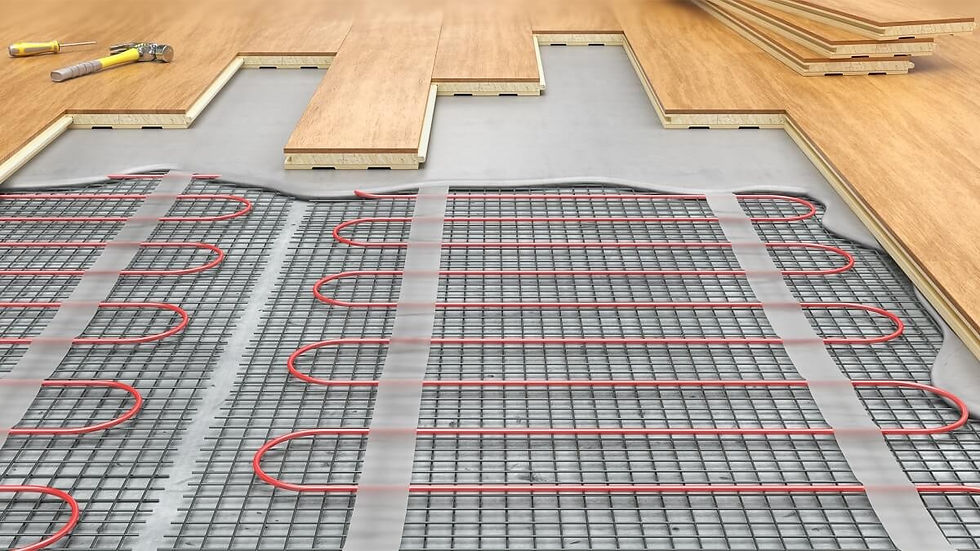
Benefits include:
Faster installation
Lower upfront costs
Minimal floor build-up
Excellent for smaller spaces
However, electric systems can be more expensive to run over larger areas.
Water (Hydronic) Underfloor Heating
Wet systems circulate warm water through pipes beneath the floor.
These systems are generally better for:
Whole-house renovations
Larger Victorian homes
Long-term energy efficiency
Heat pump compatibility
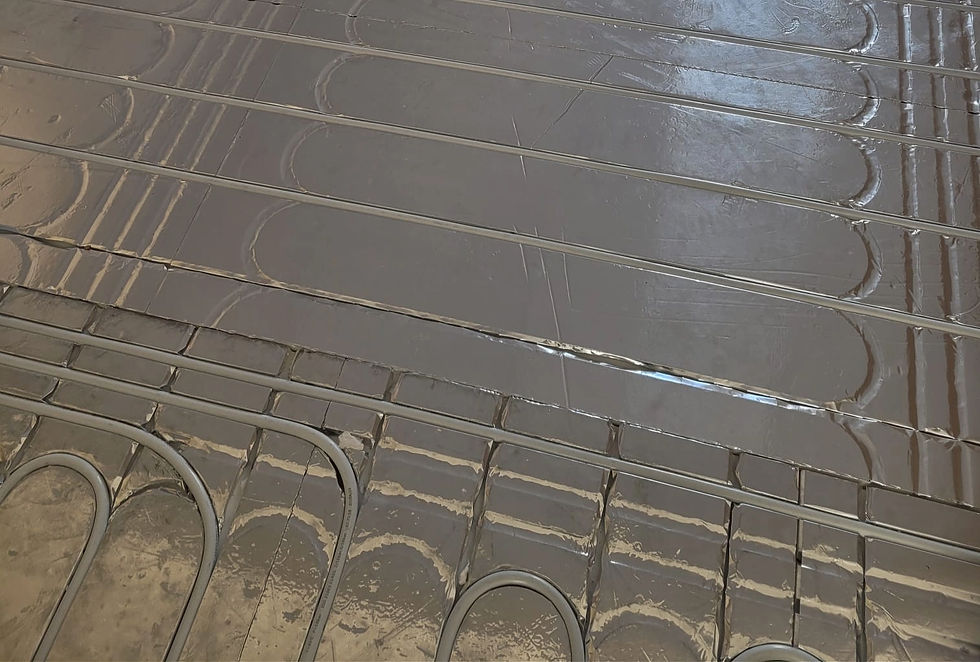
Benefits include:
Lower running costs
Excellent energy efficiency
Comfortable consistent heating
Reduced reliance on radiators
Although installation is more complex, hydronic systems are often the preferred long-term solution for substantial Victorian renovations.
The Best Underfloor Heating Solutions in London for Victorian Homes
One of the biggest considerations in period properties is the floor construction.
Suspended Timber Floors
Many Victorian homes feature suspended timber floors supported by joists.
For these properties, low-profile systems are often the best option. Pipes or heating panels can be installed between joists while preserving original floor levels and minimising disruption.
This approach helps:
Retain ceiling heights
Protect original architectural details
Improve insulation performance
Reduce heat loss
Proper insulation beneath the heating system is critical to maximise efficiency.
Solid Floors and Basement Conversions
Some Victorian homes have solid concrete subfloors, especially in extensions or renovated basement spaces.
In these areas, screeded wet systems or electric mats may be suitable depending on floor height allowances and project scope.
Basement conversions particularly benefit from underfloor heating because:
Radiators consume valuable space
Floors tend to feel colder underground
Consistent warmth improves comfort dramatically
Best Flooring Options for Underfloor Heating in Victorian Homes
Choosing compatible flooring is essential for performance and efficiency.
Engineered Wood Flooring
Engineered wood is one of the most popular choices for Victorian homes because it preserves a classic aesthetic while working effectively with underfloor heating.
Benefits include:
Greater stability than solid wood
Excellent heat transfer
Traditional appearance
Compatibility with period interiors
Luxury Vinyl Tile (LVT)
LVT flooring has become increasingly popular in London renovations.
It offers:
Strong thermal conductivity
Water resistance
Modern finishes
Easy maintenance
LVT works especially well in kitchens, hallways, and basement spaces.
Stone and Tile Flooring
Stone and porcelain tiles provide exceptional heat transfer and thermal retention.
These materials are ideal for:
Bathrooms
Kitchens
Open-plan extensions
They also complement contemporary Victorian renovation styles beautifully.
How Underfloor Heating Protects Victorian Interiors
One of the greatest advantages of underfloor heating is its minimal visual impact.
Victorian homes are known for:
Decorative cornicing
Fireplaces
Original skirting boards
Period wall panelling
Ornate interiors
Removing bulky radiators allows homeowners to preserve and showcase these features
more effectively.
Underfloor heating also:
Frees up wall space
Creates cleaner interior layouts
Supports modern open-plan living
Improves furniture placement flexibility
Energy Efficiency Benefits for Older London Homes
Victorian properties are often expensive to heat due to older construction methods and insulation limitations.
Underfloor heating can improve efficiency because it:
Operates at lower temperatures
Distributes heat evenly
Reduces cold spots
Works efficiently with modern boilers and heat pumps
Improves thermal comfort
When paired with upgraded insulation and smart thermostats, homeowners can significantly improve energy performance.
Important Considerations Before Installation
Every Victorian property requires careful planning before installation begins.
Floor Height Build-Up
Some systems increase floor height, which can affect:
Doors
Skirting boards
Stair transitions
Ceiling proportions
Low-profile systems are often recommended in period renovations.
Insulation Upgrades
Without proper insulation, heat can be lost downward into subfloors.
Professional installers typically recommend:
Between-joist insulation
Insulated backer boards
Perimeter insulation
Floor insulation upgrades where possible
Structural Assessments
Older homes may require checks for:
Timber condition
Subfloor ventilation
Damp issues
Uneven flooring
Load-bearing considerations
A specialist installer experienced with Victorian properties is essential.
Why Professional Installation Matters
Period homes require expertise and careful system design.
An experienced underfloor heating specialist can:
Assess floor construction properly
Recommend suitable systems
Minimise disruption
Preserve architectural features
Ensure energy efficiency
Prevent costly installation mistakes
At Home Comfort London, we understand the unique challenges of working with London’s period housing stock and tailor every installation to the property’s structure and renovation goals.
Is Underfloor Heating Worth It for Victorian Homes in London?
For many London homeowners, the answer is absolutely yes.
Underfloor heating offers:
Improved comfort
Better energy efficiency
More usable space
Cleaner aesthetics
Enhanced property value
Compatibility with modern low-carbon heating systems
Most importantly, it allows homeowners to modernise their property while preserving the original character that makes Victorian homes so desirable.
Final Thoughts
Victorian homes may present heating challenges, but modern underfloor heating systems offer an elegant and highly effective solution.
Whether you are renovating a townhouse, upgrading a period flat, or planning a full home refurbishment, the right underfloor heating design can transform comfort, efficiency, and usability throughout your property.
If you are considering underfloor heating for your London home, Home Comfort London can help you choose the most suitable solution for your property, flooring type, and renovation plans.
Looking to upgrade your Victorian home with underfloor heating?
Visit Home Comfort London to arrange a free consultation and explore tailored heating and flooring solutions for period properties across London.

Comments